BACKGROUND
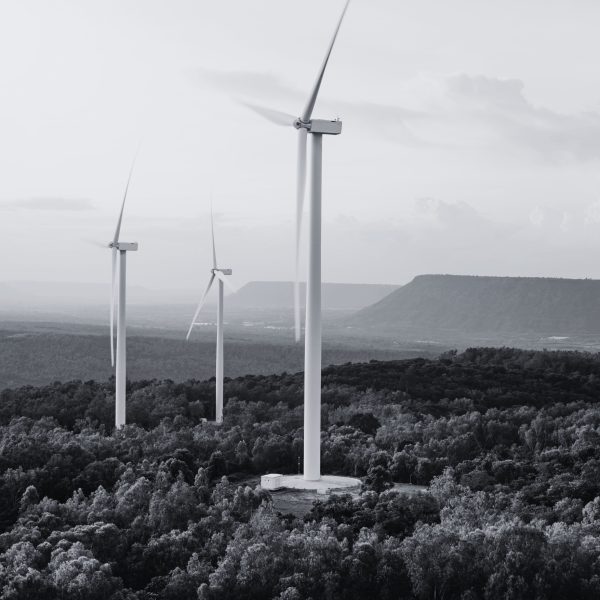
Energy poverty in South Africa is complex, and intersectional driven by accessibility and affordability issues affecting millions of households, despite high national electrification rates. A legacy of Apartheid-era inequality means that low-income households, particularly in informal settlements and rural areas bear a disproportionate burden of high energy costs, power cuts, and hazardous and polluting fuels. South Africa is working to change how the country produces and uses energy through the Just Energy Transition (JET). The goal is to move away from a heavy dependence on fossil fuels such as coal and shift towards cleaner and more sustainable energy sources like solar, wind, and other renewable energy technologies.
The transition is described as “just” because it is intended to balance environmental goals with social and economic needs. This means ensuring that workers, communities, and industries that currently depend on coal and other fossil fuels are supported through the change, with opportunities for new jobs, skills development, and economic growth in the green economy. This transition opens the opportunity to advance energy democracy, through advocating for affordable and clean energy for every household. This is only possible if communities are empowered to meaningfully participate in the Just Energy Transition and are central to decision making.
Democracy Works Foundation aims to contribute to the reduction of energy poverty through the Civic Transitions for Inclusive Climate Action (CTICA) project by developing the capacity of citizens to participate meaningfully in the Just Energy Transition. The CTICA project aims to:
- Deepen a democratic culture in the implementation of the Just Transition: The project will focus on strengthening civil society participation in the just transition and investment decision making amongst both state and private sector actors to increase cooperation and coordination in decision-making processes, and
- Develop the capacity of leaders to facilitate and encourage participation in the Just Energy Transition: The project will provide municipal government officials with the necessary skills and capacities to better collect, analyse and strategically contribute to decision- making in local economic development.
CTICA GOAL
To develop a conducive environment for the meaningful participation of civil society organisations, local government, private sector actors, and communities in the Just Energy Transition and investment decision-making in South Africa.
GEOGRAPHIC FOOTPRINT
The project will implement its activities across three provinces: Gauteng, Mpumalanga, and Limpopo. The aim is to work in collaboration with local government authorities, and key institutions to inform social compacting processes civil society, CBOs, municipalities, and the private sector.
PROJECT EXPECTED OUTCOMES
Through the implementation of this project, DWF seeks to contribute to a more inclusive and participatory Just Energy Transition in South Africa by:
- Enabling civil society and community-based organisations to play a more active and informed role in energy governance and local development decision-making processes.
- Supporting municipalities to better integrate community perspectives and locally generated evidence into development planning, economic development strategies, and transition-related interventions.
- Creating stronger platforms for dialogue, cooperation, and accountability between Independent Power Producers (IPPs), municipalities, local communities, and civil society actors.
- Promoting transparent, coordinated, and community-responsive approaches to private sector investments and Socio-Economic Development (SED) initiatives within the JET landscape.