Defining polarisation
Explaining concepts like polarisation, which typically refers to more extreme differences in social and political opinions that, in turn, lead to animosity and declining trust in institutions and democracy, requires sensitivity to historical, structural, and political realities. Platforms like Democracy Works Foundation’s (DWF) Cool Politics Café serve as a dialogue platform dedicated to unpacking complex social and political issues in South Africa and beyond. More than just a panel discussion or academic roundtable, the Cool Politics Café is an intergenerational, interdisciplinary platform that brings together diverse voices from the arts, music, governance, academia, politics, and activism. It is intentionally designed to include and amplify the voices of young people, ensuring they engage meaningfully and inclusively in democracy building agendas.
Grounded in the belief that democratic resilience depends on the ability to dialogue across differences, this platform is where people can explore alternative futures that deepen social cohesion and expand the nation-building process that was initiated and ushered by the country’s first generation of visionary leaders at the dawn of democracy.
An intergenerational dialogue exploring polarisation in South Africa
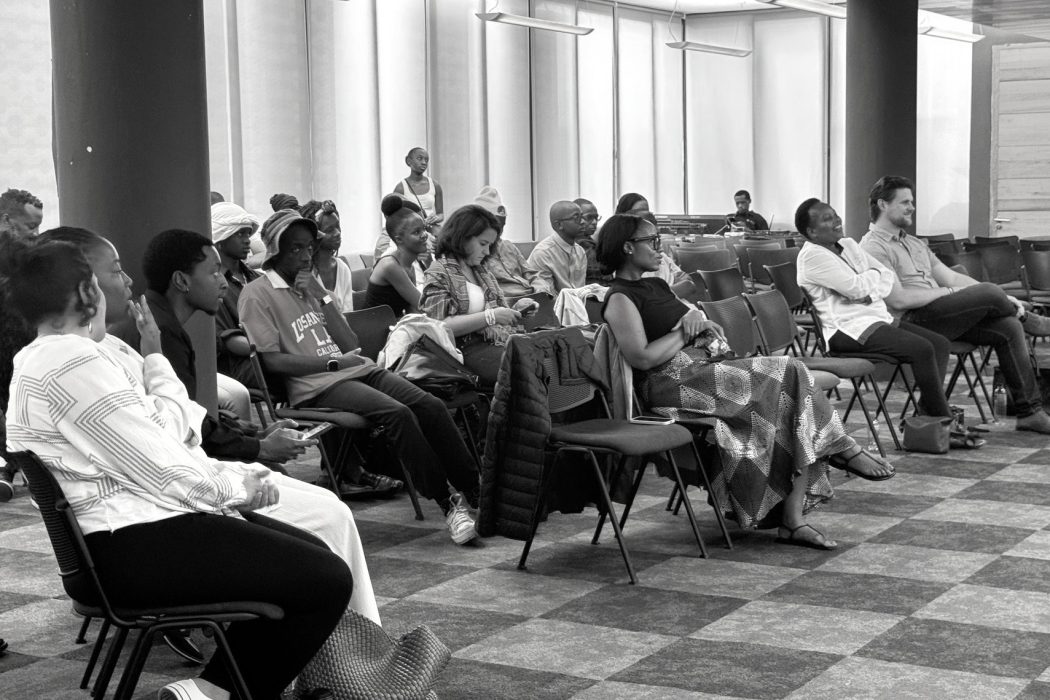
On 30 July 2025, DWF hosted the latest edition of the Cool Politics Café. The theme drew on insights from the preliminary results of a snap survey conducted by DWF, engaging academics, civil society organisations, and young people to understand their perceptions and understanding of polarisation.
The snap survey results showed a consensus that structural inequalities and socio-political dynamics drive divisions, with economic inequality identified as the primary contributor to these divisions. The discussion focused on key polarising issues identified through the survey, aiming to develop a shared understanding of polarisation in South Africa, amplify intergenerational perspectives, and explore strategies to strengthen social cohesion.
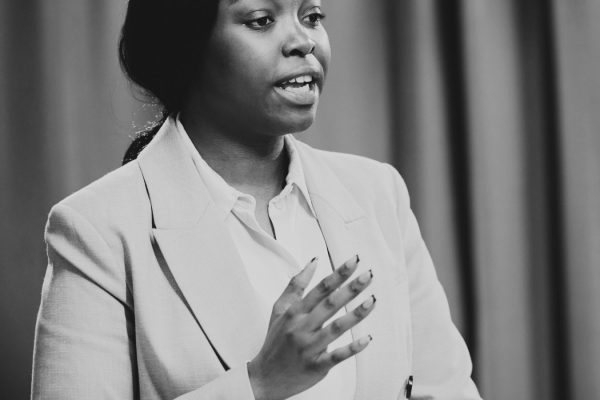
Bonolo Makgale, Manager at the University of Pretoria’s Centre for Human Rights, moderated the discussion, bringing together a panel of diverse voices: Amahle Jaxx, TikTok political commentator and entrepreneur; Moeketsi Koahela, Co-chair of Y20 South Africa; Nkateko Chauke, Interim Director of Oxfam South Africa; and Stefan Snel, Director of Tales of Turning.
The two young people on the panel painted a clear narrative of what polarises us. Amahle Jaxx highlighted that young South Africans often feel left behind: “It feels like there are two South Africas”, she said, “those who have and those who do not. Young people follow the rules yet still face inequality in jobs, education, and opportunities — we feel sidelined. We are the have-nots!” The high youth unemployment statistics validate this reality; a startling 58.7% of unemployed youth reported having no previous work experience, according to Statistics South Africa 2025 Quarter 1 statistics.
Unpacking the drivers of polarisation and the pathways to greater social cohesion, Moeketsi Koahela emphasised the importance of ensuring that young people see the tangible dividends of democracy and that dialogue translates into action. “In the spaces where I work with young people, it is clear that we know what we want and what divides us. However, we need to see the dividends that were spoken about in 1994 and beautifully captured in the preamble of our Constitution. We are not seeing the dividends of democracy, and the national dialogue process should serve as a platform that produces tangible policies for society—especially for Africa’s largest demographic, young people.”
Tracing the origins of polarisation, Nkateko Chauke pointed to colonial and apartheid legacies, highlighting the historical resistance to redistribution of resources, elite power dynamics, and technocratic governance. Polarisation is not a spontaneous occurrence but a reaction to deep-rooted historical causes such as apartheid and colonialism, which entrenched inequality, exclusion, and mistrust—divisions that continue to shape social identities and power dynamics today.
Stefan Snel, who has experienced both pre- and post-democratic South Africa, cautioned against succumbing to despair, noting that political actors often exploit divisions. He urged vigilance in recognising what fuels polarisation and in finding ways to resist pessimism and fragmentation: “What we see now is the old ‘divide and rule’ playbook. People are cast as enemies or allies— ‘them versus us’—yet we all seek similar opportunities and are far stronger when united.”
The dialogue concluded that addressing polarisation requires inclusive dialogue, intergenerational engagement, and structural reform, underpinned by civic education and a shared understanding of social realities. The key takeaways highlight the importance of contextualising polarisation within South Africa’s lived experiences and maintaining honest, authentic, and inclusive conversations that can inform policymaking and strengthen civic education.
Watch the full Cool Politics Café dialogue video here.